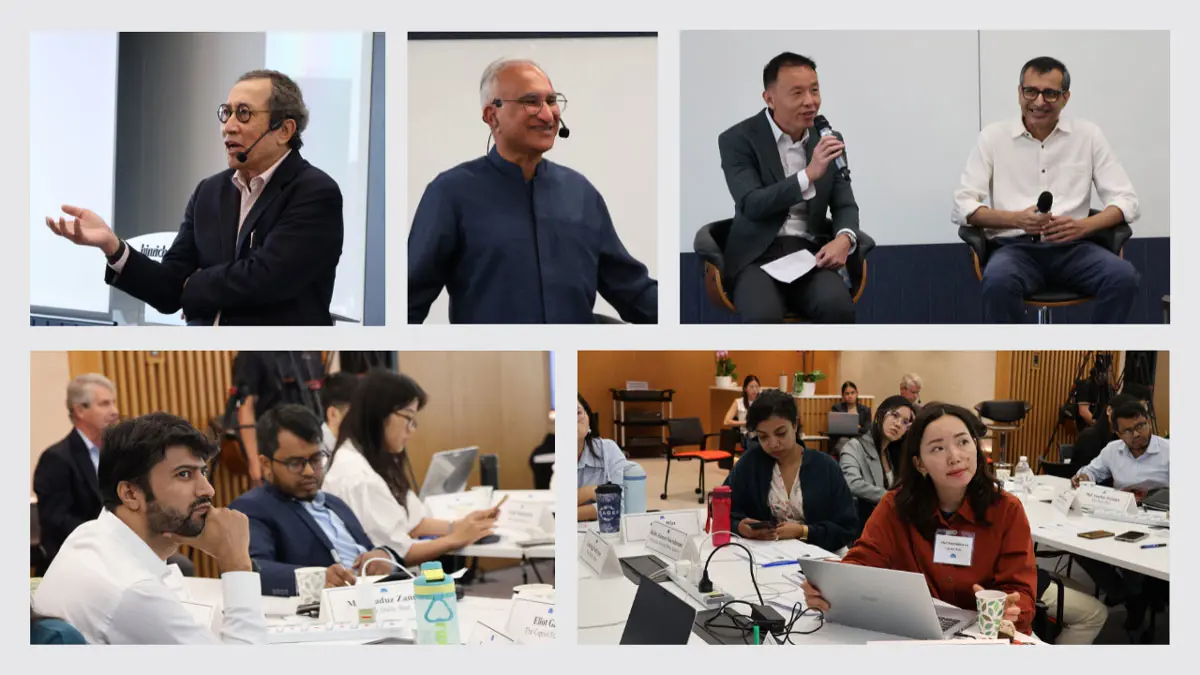
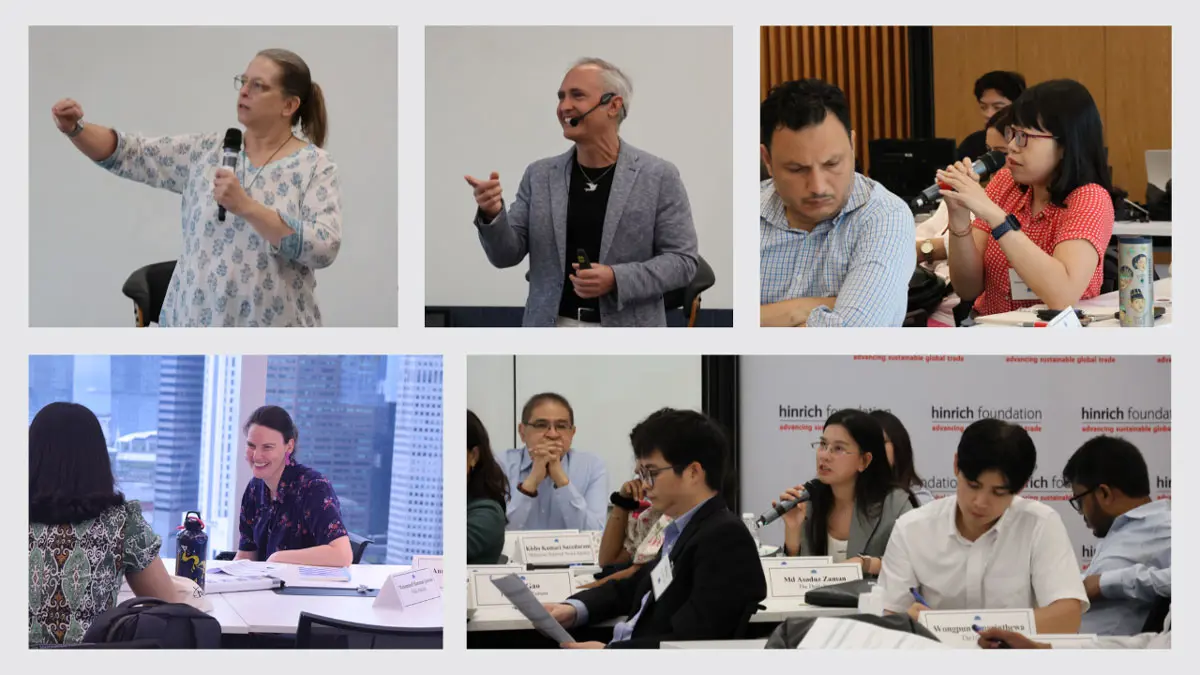
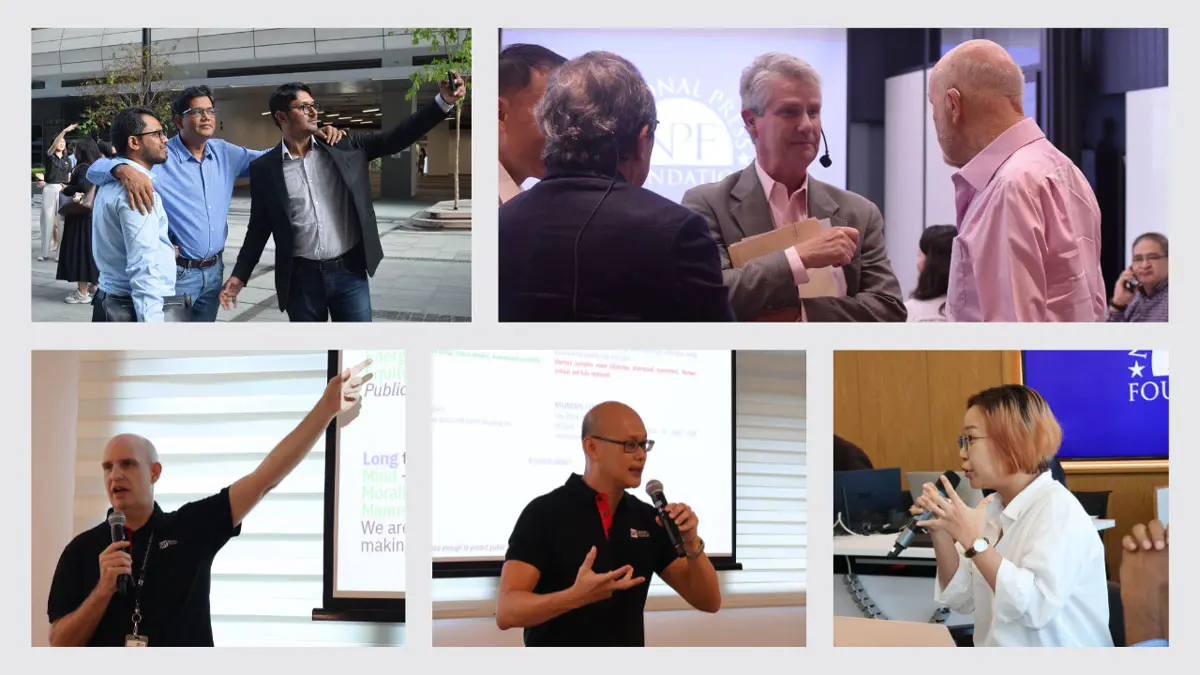
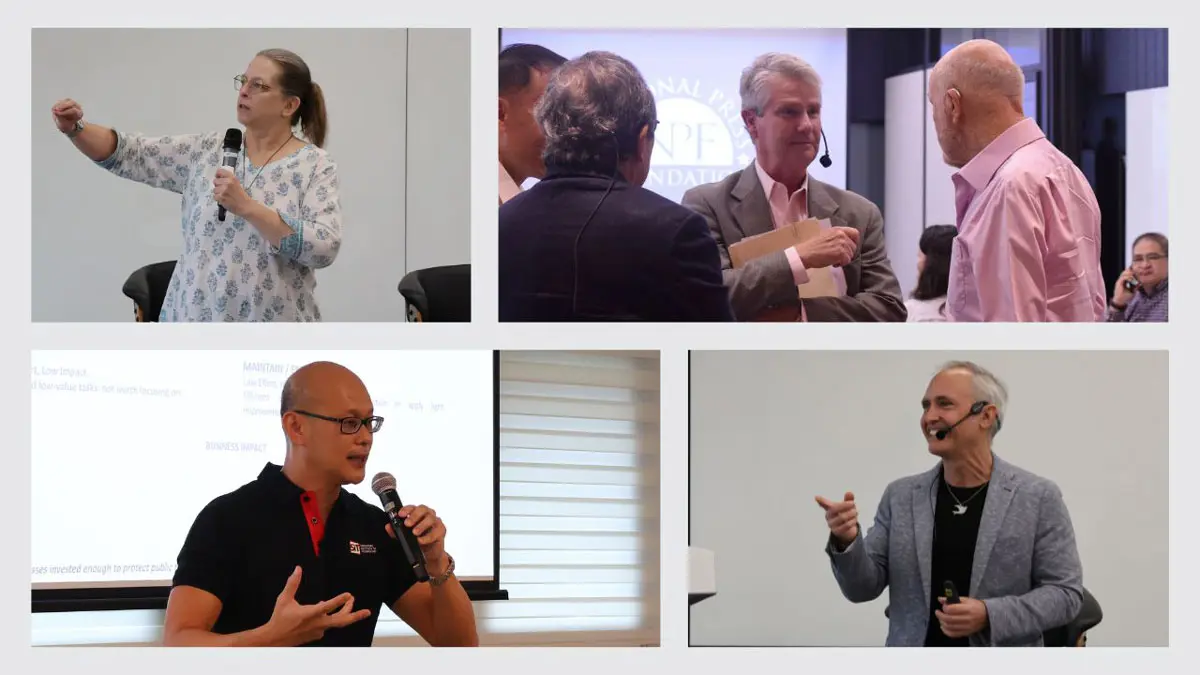
In the panels that followed, Steven Okun, founder and CEO of APAC Advisors, mapped the geopolitical spillovers of Trump’s second term across foreign policy, trade, technology, and domestic politics. He framed the world as one of overlapping power orders: unipolar in the reach of US power and Trump’s freedom to act abroad, bipolar in the US-China strategic stalemate, and multipolar as countries quietly seek alternatives through middle-power cooperation and trade agreements.
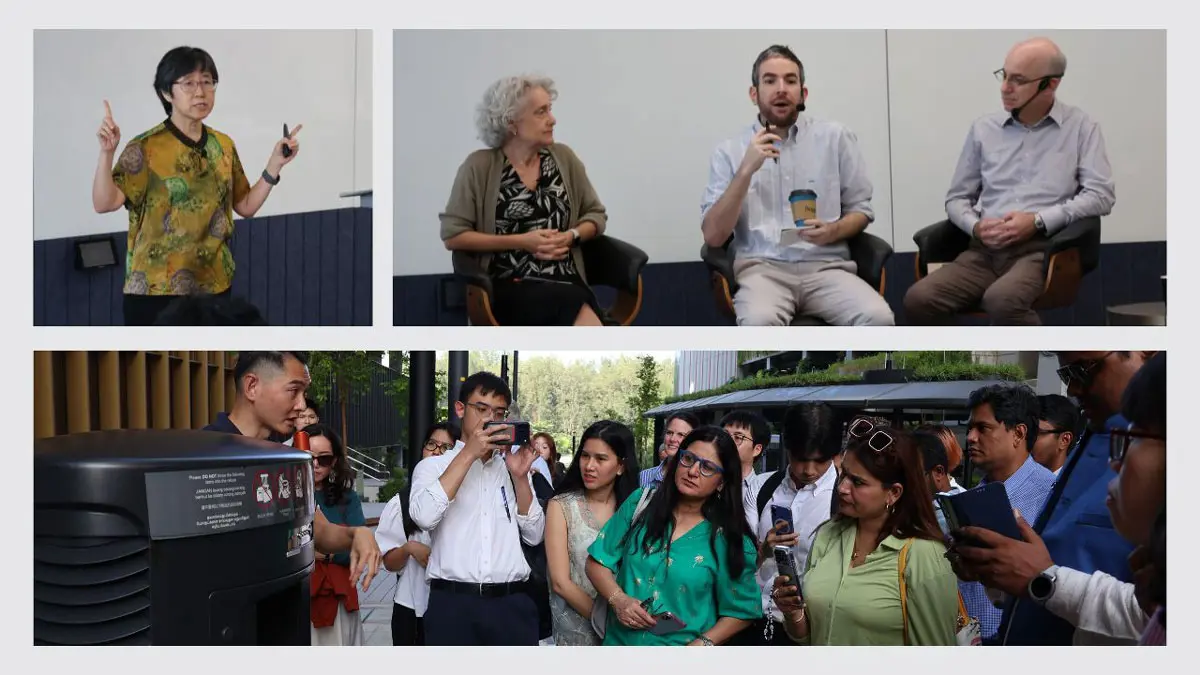
Robert de Souza, executive director and chief executive of The Logistics Institute – Asia Pacific at the National University of Singapore, unpacked how weather events, demand surges, geopolitics, and swings in fuel, freight, and fertilizer costs are bringing the hidden mechanics of supply chains into view, exposing dependencies in routes, ports, chokepoints, operators, and lead times. He emphasized the need to move from reactive damage control to proactive resilience through better data visibility, stress-testing, and intelligent control towers.
Kavita Chandran, consultant and journalism trainer at the Thomson Reuters Foundation and Solutions Journalism Network, highlighted forced labor as an under-reported trade story and called attention to the importance of tracking products through supply chains, from raw materials and assembly to labor recruitment and financing, to uncover where exploitation may be hidden. She also noted how forced labor is becoming a trade enforcement issue, as governments scrutinize supply chains and target goods linked to exploitation.
Tim Cheston, senior manager of applied research, and Ellie Jackson, back-end developer, both at the Harvard Kennedy School’s Growth Lab, introduced the Atlas of Economic Complexity as a tool for understanding countries’ productive capabilities and future growth opportunities. They explained how trade data can reveal the collective know-how behind economic complexity and help countries identify paths into more diverse and higher-value industries.
Chuin Wei Yap, research director at the Hinrich Foundation, and Ronojoy Sen, senior research fellow and research lead in Politics, Society, and Governance at the Institute of South Asian Studies and the South Asian Studies Program at the National University of Singapore, discussed how India’s constitution, elections, linguistic diversity, and federal structure have shaped its resilience since independence. They also explored India’s ambivalence about using its growing power to shape global trade, including how its agricultural base, energy import dependence, trade deficit with China, and uneven ASEAN ties influence its external strategy.
Donny Soh, AI training program lead at the Singapore Institute of Technology, and Ian McLoughlin, professor at the Singapore Institute of Technology, examined how artificial intelligence is reshaping business functions, work organization, education, and journalism. They highlighted AI’s ability to automate routine tasks and augment productivity, while stressing that reporting, relationship-building, trust, and human judgment remain difficult to replace.
Sarah Tong, senior research fellow of the East Asian Institute at the National University of Singapore, traced China’s rise as a manufacturing and trading power and the pressures now testing that model. She pointed to a growth model under strain: China's aging population and low fertility rate are weighing on future demand and labor supply, real estate weakness is dragging on household wealth and consumption, local government fiscal stress is limiting policy support, and reliance on foreign technology remains a vulnerability in key sectors.
Bilahari Kausikan, former Ambassador-at-Large for Singapore, wrapped up the four-day workshop with a session on how to analyze geopolitics as a process rather than a series of binary wins and losses. He warned that focusing too narrowly on events can distort the broader picture, prompting overreaction, underreaction, and policy corrections that add to volatility. By distinguishing between the “theology” of foreign policy and practical diplomacy, he stressed the need for strategic pragmatism in understanding how countries act under pressure.